
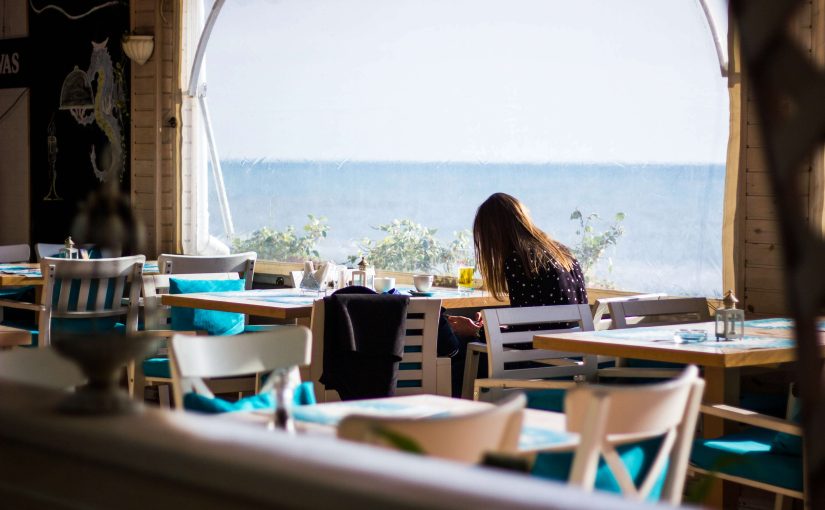
Many solo travelers remember the first time they noticed it.
It is not a dramatic moment. There is no milestone or announcement. It often happens quietly, almost without recognition. You might be sitting in a café after a long day of wandering through unfamiliar streets. You might be watching people move through a train station or listening to the distant rhythm of a city settling into evening.
At some point, you realize something subtle has shifted. You feel comfortable exactly where you are.
For many people, that realization arrives slowly during solo travel. It is not the kind of achievement that appears in photographs or travel stories. No one congratulates you for it. Yet it represents something meaningful. It is one of the quiet wins of traveling alone.
These moments rarely become the stories people tell when they return home. They do not sound impressive. They do not carry the drama that people often associate with travel. But for many solo travelers, they become the experiences that matter most.
Why Solo Travel Changes How We Notice Things
Traveling alone alters the way we pay attention.
When people travel with companions, attention is naturally shared. Conversation fills the spaces between experiences. Decisions are negotiated. Reactions are reinforced by others. The trip becomes a collective narrative.
Solo travel works differently.
Without the constant presence of another person, everyday moments become more visible. Small details that might otherwise fade into the background begin to stand out. The pace of observation changes.
Many travelers notice this shift early. Walking through a neighborhood alone often feels slower and more deliberate. Waiting for a train becomes an opportunity to observe rather than simply pass time. Even routine tasks begin to carry a different texture.
These changes do not happen because solo travelers consciously try to be more mindful. Instead, the absence of shared attention creates room for individual awareness.
Over time, that awareness deepens. Experiences are processed internally rather than immediately discussed. Reactions unfold quietly.
The result is not necessarily better or worse travel. It is simply a different relationship with the experience itself.
Learning to Trust Your Own Decisions
Another quiet shift often happens beneath the surface.
Travel requires constant decision making. Even small days involve dozens of choices. Where to go next. Whether to stay longer. When to leave.
When traveling with others, those decisions become collective. Responsibility is shared. Disagreements are negotiated. The outcome rarely rests with one person.
Solo travel removes that structure.
At first, this can feel surprisingly heavy. New solo travelers often describe an early awareness of responsibility. Every decision belongs to them. There is no one else to consult in the moment.
Over time, something interesting tends to happen.
The weight of those decisions begins to feel lighter. Not because decisions disappear, but because confidence grows quietly with repetition. Travelers begin to trust their own judgment in small ways. They learn that imperfect decisions rarely derail a journey.
Experienced solo travelers often speak about this shift in understated terms. It does not feel like a breakthrough. It feels more like a gradual settling.
Eventually, making decisions alone stops feeling unusual. It becomes the normal rhythm of travel.
That growing sense of self trust is another quiet win. It develops slowly and often goes unnoticed until a traveler reflects on earlier trips and realizes how much has changed.
Solitude Without Loneliness
One of the most complex parts of solo travel is the relationship between solitude and loneliness.
Many people assume that traveling alone means feeling isolated. Sometimes it does. Anyone who has spent extended time traveling solo recognizes moments when the absence of familiar people becomes more visible.
Yet solitude is not the same thing as loneliness.
For many travelers, the ability to sit comfortably with their own company becomes one of the most meaningful outcomes of solo travel. It rarely happens immediately. Early trips often involve periods of discomfort.
Silence can feel unfamiliar. Long meals alone may feel awkward. Watching other travelers interact in groups can trigger moments of doubt.
But as time passes, the emotional landscape often changes.
Solitude begins to feel less like absence and more like space. It creates room for reflection that everyday life rarely allows. Thoughts that are often drowned out by routine become easier to hear.
Many experienced solo travelers describe this stage with a sense of quiet appreciation. It does not mean they prefer to be alone all the time. It means they no longer fear the experience of being alone.
That distinction is subtle but important.
The Difference Between New and Experienced Solo Travelers
The early stages of solo travel often carry a different emotional texture than later ones.
For newer travelers, many experiences feel heightened. Every interaction feels significant. Moments of uncertainty feel larger than they might otherwise be. Even simple achievements, like navigating a transit system or spending an entire day exploring alone, can feel surprisingly meaningful.
These experiences are often intense because they challenge assumptions about independence and capability.
With time, the intensity softens.
Experienced solo travelers still notice meaningful moments, but they often describe them differently. The emotional highs and lows become less dramatic. Confidence grows, and the unfamiliar begins to feel routine.
Interestingly, the quiet wins become more noticeable during this stage.
Instead of dramatic breakthroughs, travelers begin to appreciate smaller signals of personal growth. Feeling comfortable in unfamiliar spaces. Adjusting to unexpected changes without panic. Spending an entire day wandering without needing a clear purpose.
These experiences rarely appear significant from the outside. Yet internally they often represent the deepest shifts.
What These Quiet Wins Reveal
The quiet wins of solo travel rarely appear in the way people imagine travel success.
They are not defined by distance traveled, landmarks visited, or impressive photographs. They tend to emerge through small internal changes that accumulate over time.
Solo travel creates a context where independence becomes visible in everyday moments. Confidence grows through repeated experiences rather than dramatic events. Self trust develops gradually through ordinary decisions.
None of this happens instantly. It unfolds quietly across trips, cities, and years.
Perhaps that is why many solo travelers struggle to explain what travel has given them. The most meaningful changes often happen internally and slowly. They are not easy to describe because they are less about events and more about perspective.
Over time, travelers may realize that the biggest shifts did not come from extraordinary experiences.
They came from sitting comfortably in unfamiliar places. From trusting their own instincts. From discovering that solitude can feel peaceful rather than uncomfortable.
These are not the stories that dominate travel conversations.
But for many people who travel alone, they are the moments that remain long after the journey ends.
And sometimes the most meaningful realization is simply this.
You begin a trip believing you are traveling through the world alone. At some point along the way, you realize you have quietly learned how to be at home in your own company.